

Welcome to The Centre for Fundamentals of AI and Computational Theory
Advancing the understanding and engineering of software and deep learning through mathematics, logic, and experimental science
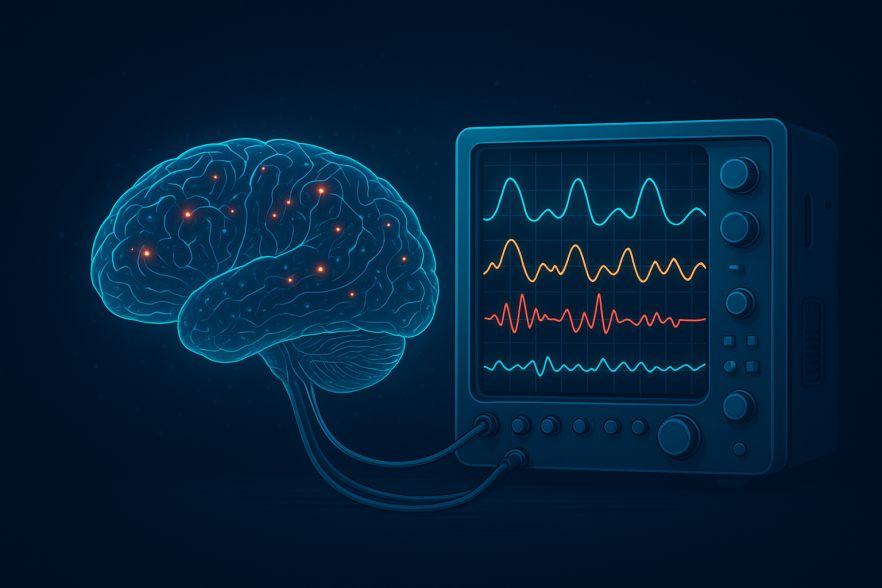
AI and Deep Learning now permeate many aspects of our modern lives, alongside more conventional computational solutions to society’s needs and aspirations. That’s why it has never been more important to understand how AI and Computer Science work, in order to build them better and cheaper. To do this requires mathematical tools, engineering methodology and scientific method: these lie at the heart of what we do in FACT, the Centre for Fundamental AI and Computational Theory.
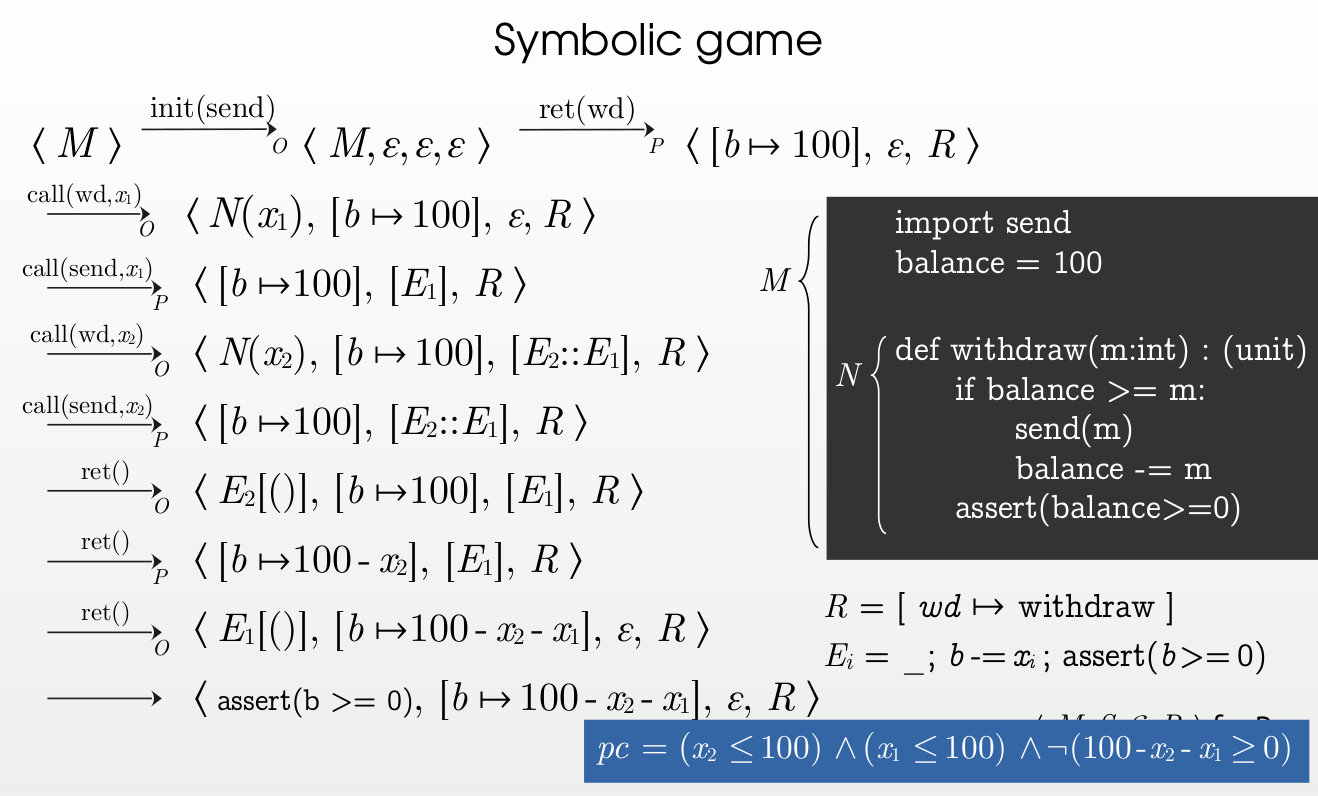
Members of the centre apply Mathematics, Logic and experimental process to advance the theory and practice of software systems and deep learning, driving greater rigour and innovation in computation.
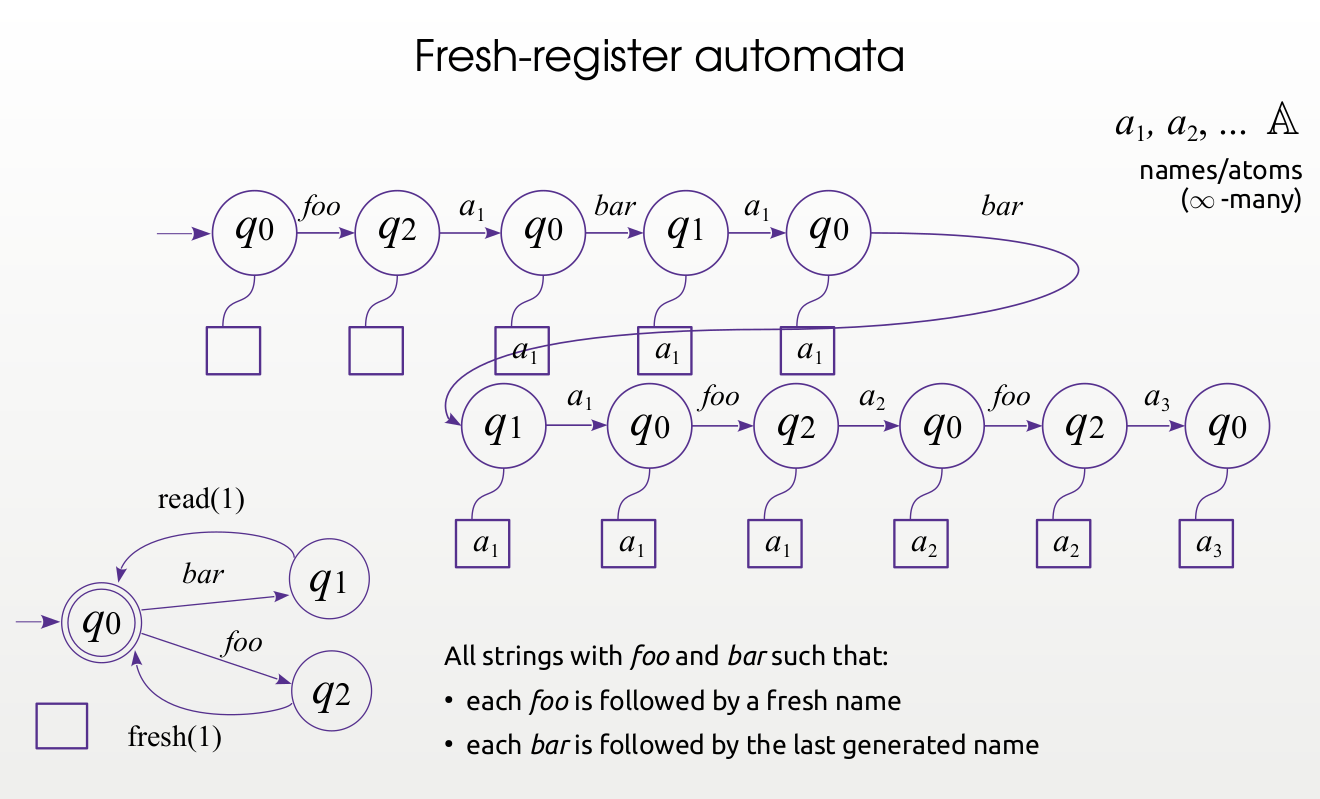
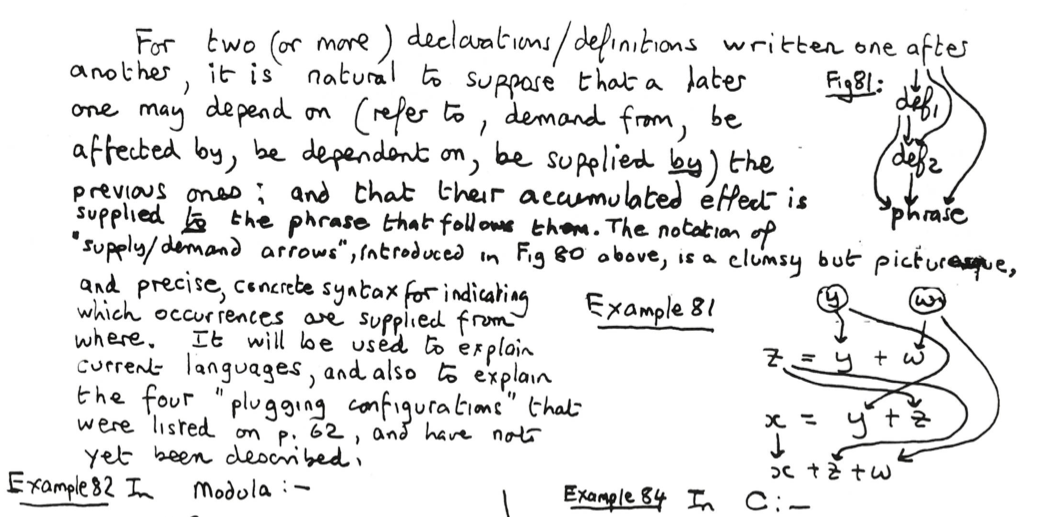
Our multi-disciplinary team includes expertise in: formal logic, information theory, topology, random matrix theory, computational neuroscience, natural language processing, signal processing and time series analysis. Thanks to our strong ties to application-oriented Centres at QMUL, we ground our research in meaningful applications, making our work significant and impactful.
Recent Publications
- Welterweight Go: Boxing, Structural Subtyping, and Generics
Hu R Lange J Toninho B Wadler P Griesemer R Randall K
Proceedings of The Acm on Programming Languages, Association For Computing Machinery (Acm) vol. 10 (POPL), 2295-2322.
08-01-2026 - Rate-Based Session Types for IoT Systems
Iraci G Chuang C-E Hu R Ziarek L
Acm Transactions on Programming Languages and Systems, Association For Computing Machinery (Acm) vol. 47 (3), 1-39.
17-09-2025 - Coherent domains and improved lower bounds for the maximum size of Condorcet domains
Karpov A Markström K Riis S
Discrete Applied Mathematics, Elsevier vol. 370, 57-70.
01-07-2025
Recent Grants
- Algorithmic Theory of Piecewise Maps
Edon Kelmendi
£202,936 Leverhulme Trust
15-01-2026 - 14-01-2029 - Probabilistic Precision Tuning
Fredrik Dahlqvist
£49,636 Research Institute in Verified Trustworthy Software Systems
01-10-2025 - 31-03-2026 - Artificial Neuroscience: metrology and engineering for Deep Learning using Linear Algebra
Mark Sandler and Boris Khoruzhenko
£238,701 Engineering and Physical Sciences Research Council
01-06-2025 - 30-11-2026