

Child Development in a Digital World
We are in a time of rapid change in the media landscape. In 2024, UK children watched approximately 3 hours of video content per day, over 20% of their waking life. The sensory-cognitive stimulation provided by such content often far exceeds that of reality, potentially shaping cognitive development during the first few years of peak neural plasticity. Yet, children’s media designed in the right way may scaffold cognitive development. Our work explores how growing up in a digital world shapes infant and toddler cognitive development, with the aim of providing the evidence-base that parents, content creators, policy-makers and early years practitioners can use to inform decisions.
Bedtime Boost project - a 7 week intervention in which we removed toddlers' pre-bedtime screen time. We showed that participants enjoyed taking part and toddler sleep efficiency improved.
Animating Minds project - aim is to create a machine learning tool which can classify clips of children's animated content to predict children's attention and executive function.
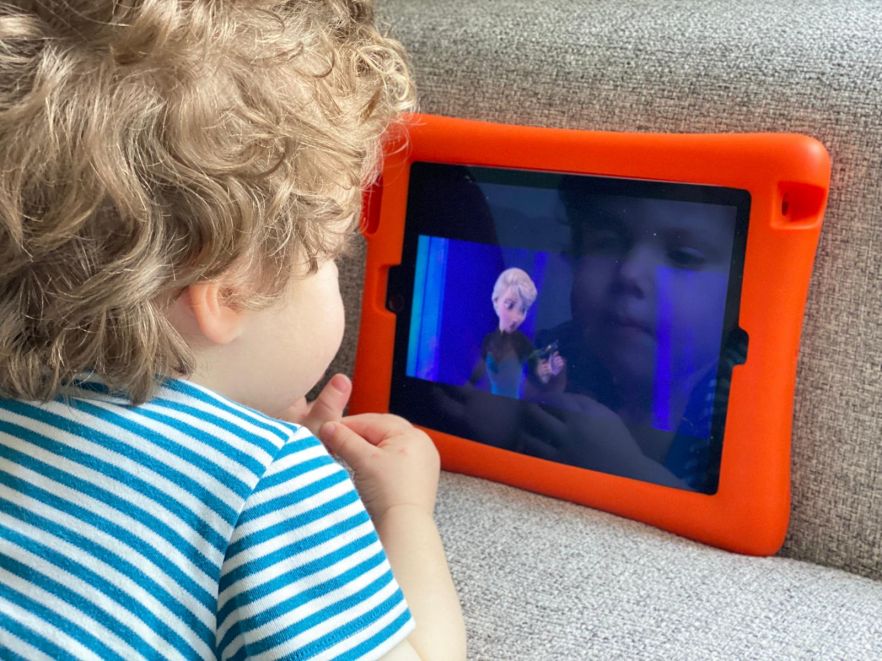
Screen use in children
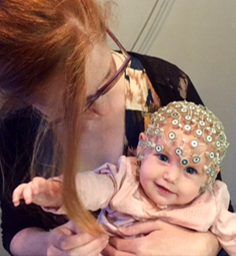
Testing cognitive function in children
- More information: Centre for Brain and Behaviour
- Contact: Prof. Rachael Bedford