

Pollution and Respiratory Drugs
Air pollution is a major threat to lung health, yet we still lack a detailed understanding of how pollutants damage the lung at its most fundamental level. In London alone, air pollution is estimated to contribute to approximately 4,000 premature deaths each year, underscoring the urgent need to understand how environmental exposures affect the airways in a densely populated urban setting. Long-term exposure to pollutants can exacerbate asthma and chronic obstructive pulmonary disease and increase susceptibility to respiratory infections.
To address this challenge, we are developing advanced human in vitro lung models that closely replicate human airway physiology and disease states. By exposing these models to real-world pollutants, such as particles collected from the Transport for London (TfL) network, inhaled medicines, and agricultural pesticides, we can directly observe how harmful exposures impact lung health. Using an integrated approach that combines nanoscale imaging with CRISPR–Cas9 gene editing, we visualise early cellular damage and identify the genes and pathways that confer vulnerability or protection.
This knowledge is essential for identifying at-risk populations, including children, the elderly, and individuals living near busy roads, and provides robust evidence to inform public health policy, urban planning, and clinical guidelines aimed at reducing health inequalities and improving prevention, diagnosis, and treatment of airway diseases in the polluted urban environment.
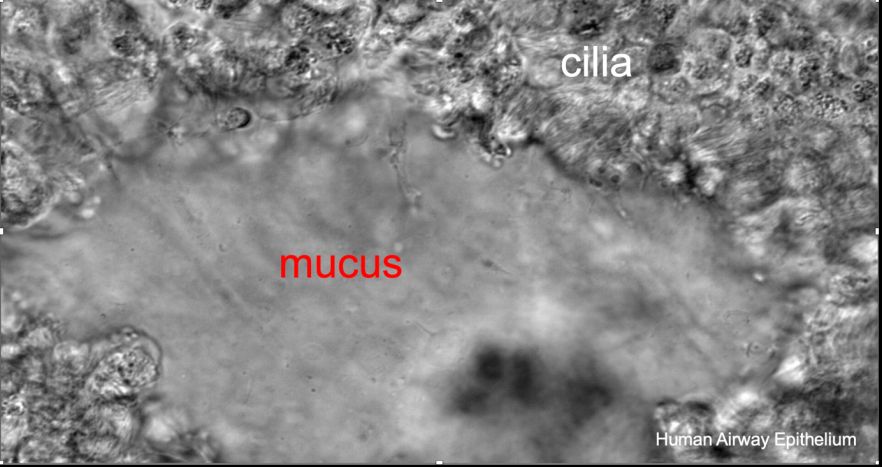
Human Airway Epithelium Reconstituted in Vitro
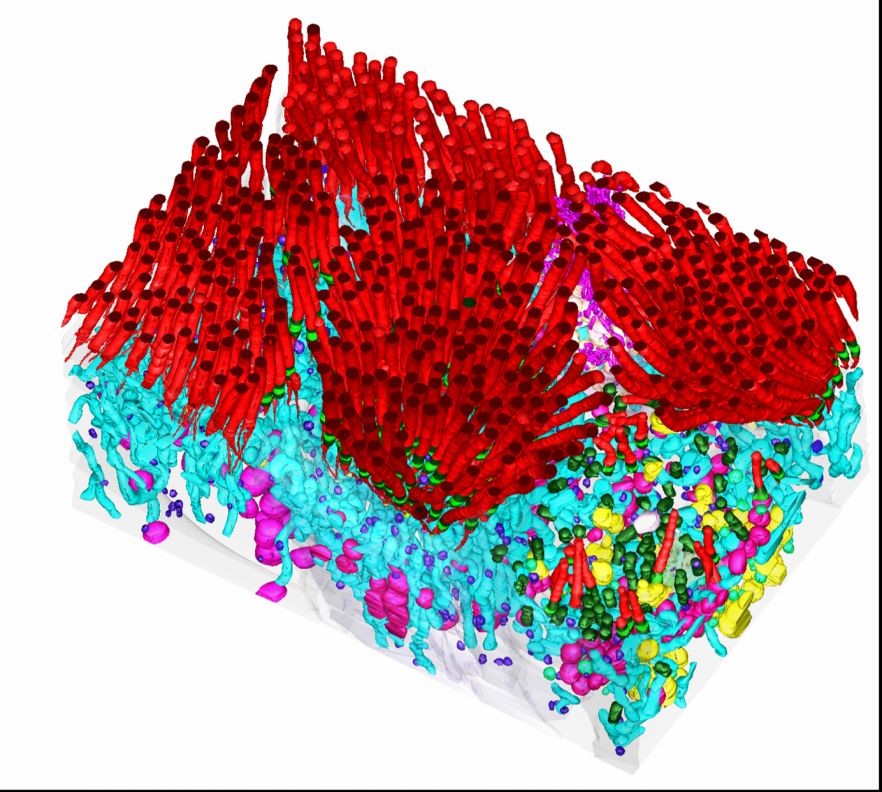
3D reconstruction of the airway epithelium
- More information: Centre Molecular Cell Biology
- Contact: Dr. Vito Menella