

Organ-on-a-chip for drug development
An organ-on-a-chip is a bioengineered device or model, in which living cells are grown within the laboratory along with key physical, chemical and biological factors which enable the chip to recapitulate behaviour in the body.
This technology has the potential to transform pre-clinical testing, accelerating the development of new medicines and reducing reliance on poorly predictive animal models. In so doing this work is a key part of the Government's recent Alternatives Strategy which sets out a roadmap to reduce the use of animals in science.
At Queen Mary's Centre for Predictive in vitro Models , researchers work closely with affiliates from over 100 organisations from major pharma industry, organ-chip technology providers, regulatory authorities and other stakeholders.
In 2025 Queen Mary launched the EPSRC Centre for Doctoral Training in next generation organ-on-a-chip technology, which will provide 60+ PhD studentships on a bespoke training programme in partnership with industry. Queen Mary also have one of the most extensive organ-chip facilities in Europe; the only MSc in the world in this area; we run the UK annual organ-chip conference and e-seminar series; and are internationally recognised for the quality of our research, training and impact.
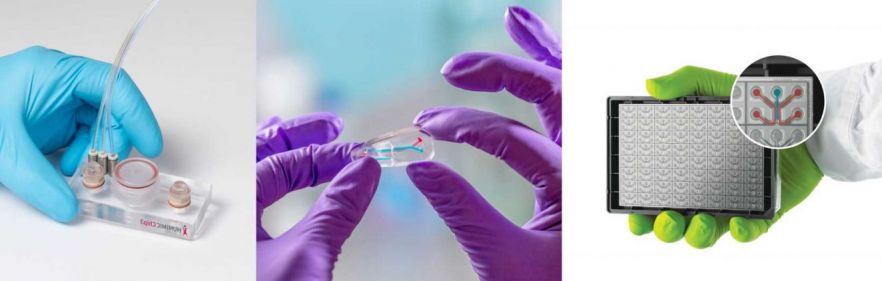
Three different types of organ-on-a-chip model used with Queen Mary's Centre for Predictive in vitro Models
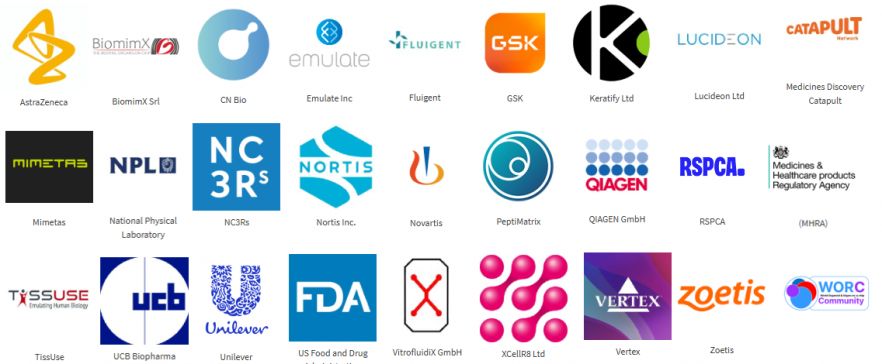
Some of the 100+ organisations represented by affiliates at Queen Mary's Centre for Predictive in vitro Models
Register as an Affiliate to the Centre for Bioengineering »
Register as an Affiliate to the Centre for Predictive in vitro Models
- More information: Centre for Predictive in vitro Models Centre for Bioengineering
- Contact: Prof Hazel Screen, Prof Martin Knight, Prof Julia Shelton